Munjaa: A Bold Handwritten Font for Creative Projects
There I was, staring at a blank brand board, trying to figure out how to make a small café feel authentic and inviting. The client wanted something that stood out but still felt warm and approachable. I reached for my font library and stumbled on Munjaa—a bold handwritten font that immediately caught my eye.
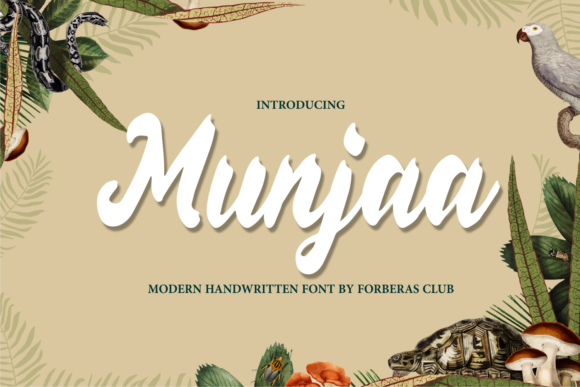
What drew me in was its personality. Munjaa has this raw, organic feel, like it was written with a pen on a napkin. It’s not too clean, not too chaotic. There’s a balance between structure and spontaneity that makes it feel real. It’s the kind of font that can make a logo feel like it was handcrafted, not just typed out.
I started by testing it on a few logo drafts. The first thing I noticed was how well it worked as a headline font. It had enough weight to command attention but still kept a friendly vibe. I paired it with a simple sans serif for the tagline, and it created a nice contrast without clashing.
As I moved into packaging design, Munjaa really shone. I used it on product labels and coffee bags, and it added that extra touch of character. It wasn’t too flashy, but it made the designs feel more personal. I could see it working well on shop signs, business cards, or even sticker designs—anything that needed a bit of flair.
One of the things I appreciated about Munjaa was how it handled different sizes. On a large banner, it looked powerful and dynamic. On a smaller label, it still held up without losing its identity. That versatility made it a good fit for a range of branding elements, from website headers to social media graphics.
I also thought about how it would work in editorial design. It could be used as a display font for headlines or featured text, adding a unique visual element to magazines or newsletters. Its handwritten style gave it a human touch that could make content feel more engaging.
When it came to web design, I considered how Munjaa would perform on screens. It was clear and legible at larger sizes, which is important for headers and callouts. For body text, I’d probably pair it with a more readable font, but as a standalone display type, it was effective.
Another thing to consider was font pairing. I found that Munjaa worked well with both serif and sans serif fonts. When paired with a classic serif, it created a timeless, elegant look. With a modern sans serif, it added a contemporary edge. It was flexible enough to adapt to different design styles without feeling out of place.
I also checked the font’s features. It included multiple weights and alternates, which was helpful for creating variations in the brand system. The ligatures added a nice touch, making the font feel more refined. It supported a range of languages, which was a plus for any international projects.
For commercial use, Munjaa’s licensing was straightforward. It was clear what I could and couldn’t do with it, which is important when working with clients. I made sure to review the terms before finalizing the project, just to be safe.
One of the best parts of using Munjaa was how it helped shape the brand’s identity. It wasn’t just a font—it became part of the story. The client loved how it brought a sense of authenticity to their materials. It made everything feel more connected, like the brand had a voice.
Testing Munjaa before using it in the full brand system was key. I tried it on different mockups, from social media posts to printed flyers, to see how it performed in real-world scenarios. That process helped me understand its strengths and limitations, which made the final design more cohesive.
If you’re looking for a font that adds character without overwhelming a design, Munjaa is worth considering. It’s not a one-size-fits-all solution, but for projects that need a personal, handmade feel, it’s a great choice. Whether you’re working on a café, a boutique, or a creative studio, it can help bring your vision to life.
As a designer, I always look for fonts that feel right for the project. Munjaa has that rare combination of boldness and warmth that makes it stand out. It’s a font that doesn’t just look good—it feels good to use.
So if you’re in the market for a premium font that can elevate your design work, give Munjaa a try. It might just be the missing piece in your next branding project.
And if you’re using Script Amp as your font source, you’ll find that Munjaa fits right in with the other high-quality typefaces available there. It’s a great example of how thoughtful design can make a real difference in the way a brand is perceived.
Whether you’re designing for print, digital, or social media, Munjaa offers a fresh, authentic alternative to more traditional typefaces. It’s a font that knows how to make an impression—and that’s exactly what you want in a strong brand identity.
From the first time I used it, I knew it had potential. And after seeing it in action across different design elements, I’m even more confident in its ability to add value to creative projects. It’s not just a font—it’s a tool that helps tell a brand’s story in a meaningful way.